
The following day, I felt queasy and resigned myself to wandering around Char’s flat like a sad, bloated jelly baby. During this period I became well acquainted with the finer functions of Japanese toilets. Options include a heated seat, a bidet setting, music and most importantly if you want to avoid a Disneyland water display targeted directly at your posterior, an ‘OFF’ button.
I started to wonder what on Earth I was doing. I had come to Japan with 8 hours of Japanese lessons, a guidebook and a dream. These resources were very much being stretched to their limits. I could speak a few choice phrases in Japanese, but I soon discovered that using them made people speak Japanese back- not ideal. Even a panicked squeak of ‘nihongo ga hanasemasen’ (‘I don’t speak Japanese’) could result in a rapid fire attempt to further the conversation. I was totally out of my depth.
With sightseeing off the menu, I ventured out for a walk around the block, where I witnessed some teachers loading toddlers into a large laundry cart and wheeling it along the pavement. My suspicions that this was a meticulously planned heist were confirmed when one child exclaimed from within the trolley, ‘Kimi wa chimamire no doa o fukitobasu dake no tsumoridatta nda!’ (You’re only supposed to blow the bloody doors off!’)
The following day was the last chance I would get to buy thermals for my upcoming trip to Mount Fuji. Despite still feeling under the weather, I decided to heave my heavy bones to Harajuku, on account of its shopping streets.
Harajuku is a district in Shinjuku (Central Tokyo) famous for its range of fashion subcultures. These include Lolita (chid-like outfits with lots of tulle and knee socks), Gothic Lolita (black flouncy Victorian-inspired outfits), Dekora (bright colours and ‘cute’ accessories) and Fairy Kei (ethereal outfits) among others. In 1997, photographer Shoichi Aoki founded FRUiTS magazine (@fruitsmag) which piqued American and European interest in locals’ eye-catching looks.
My introduction to the neighbourhood was somewhat different. For centuries we have relied on famous explorers to introduce us to exciting things, like Marco Polo, Jacques Cousteau and Gwen Stefani, who got many a tweenage girl in Britain and America interested in Harajuku. In the early 2000s, Stefani’s dance troupe of ‘Harajuku Girls’, 4 dancers sporting colourful cartoonish outfits, accompanied her everywhere.
It’s been debated whether this artistic choice falls into the category of cultural appropriation or appreciation. I don’t feel in a position to make a pronounced judgment, but I can confidently say, that as a twelve year old, I felt like a million dollars (or proportionate to my pocket money- about £25) while wearing my ‘Gwen Stefani’s Harajuku Lovers’ perfume. For better or worse, the bottle with a pouting girl in a school uniform was my first introduction the concept of a ‘Harajuku Girl’ and now, I was about to find out what the famous neighbourhood was really like.
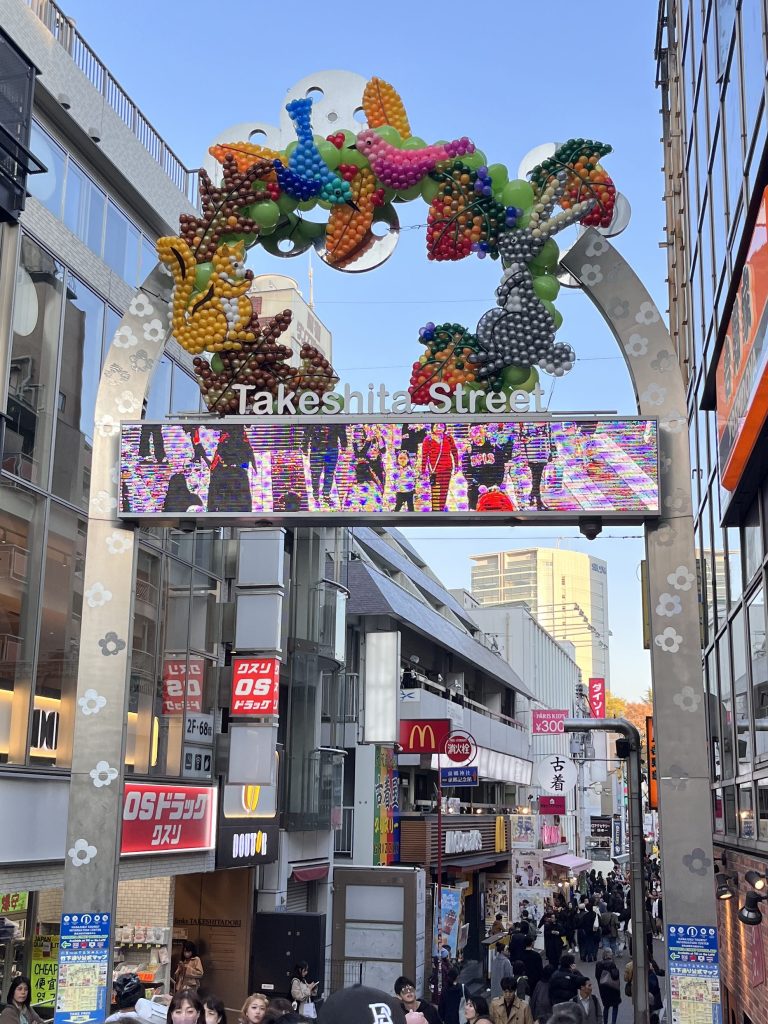
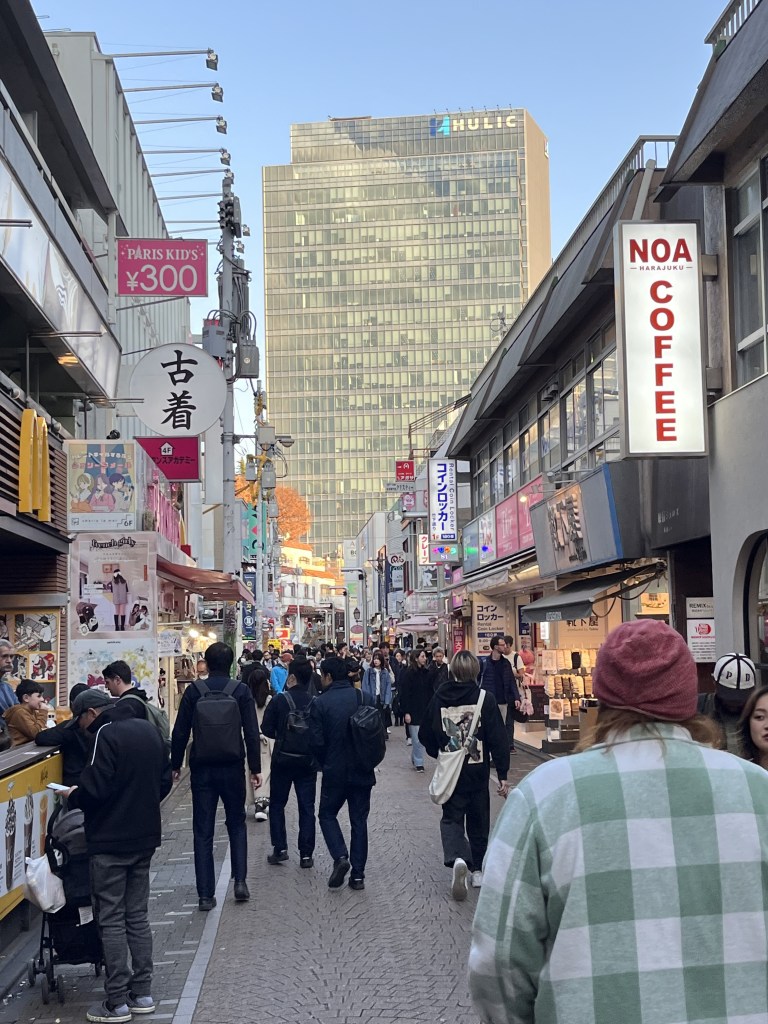
I exited the train station and headed for Takeshita Street, a busy pedestrianised thoroughfare lined with shops and cafes. I walked past shop windows displaying petite mannequins with flouncy dresses, steampunk corsets and animal ear hats. Each unit was packed to the rafters with soft toys with big eyes, cuddly key rings and hair clips with Hello Kitty characters.
It was a temple to ‘kawaii’ – the Japanese obsession with all things cute. Some shops were entirely filled with gashapon– a type of vending machine which releases a toy in a capsule when you insert coins. Others advertised customisation services which involved glueing rhinestones and gems to things; mercifully my Japanese teacher hadn’t taught me Japanese for ‘vajazzle’.
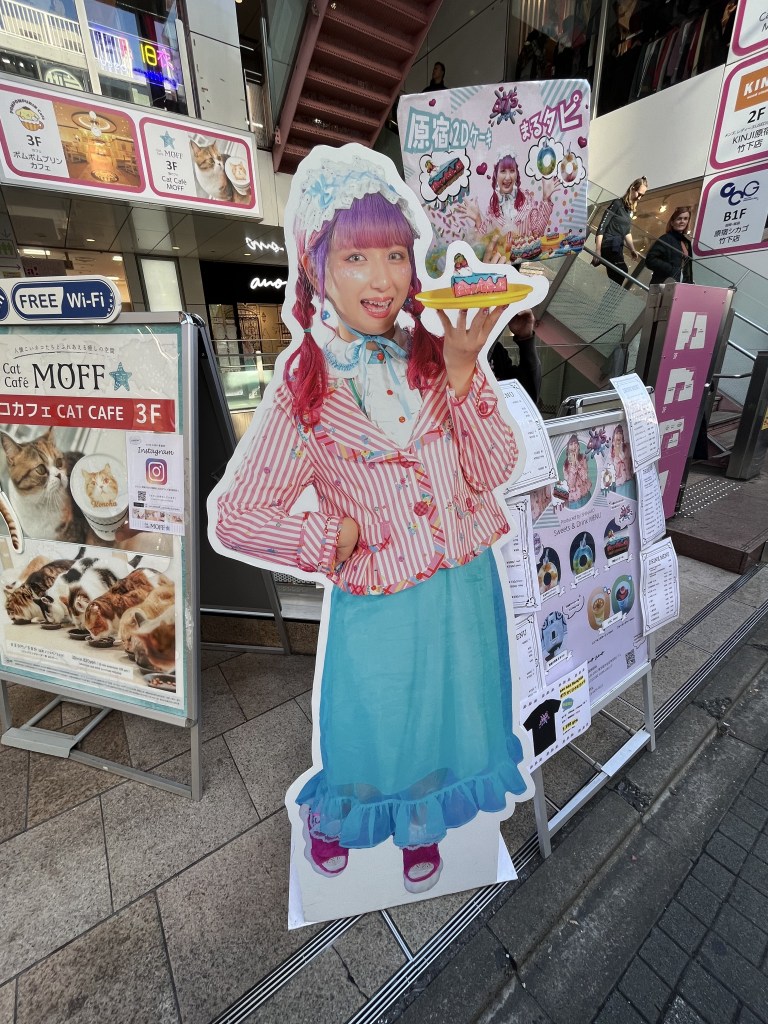
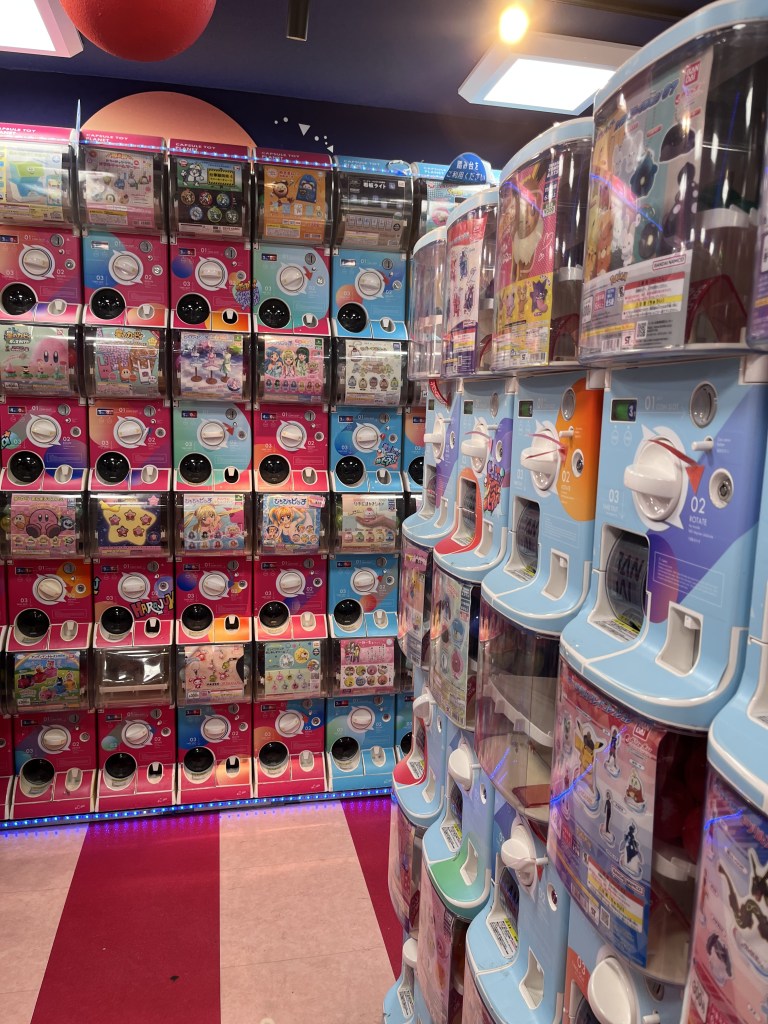
Tourists consumed pastel candy floss and Disney character shaped pancakes, meanwhile cafe staff dressed in bright shiny costumes tried to attract potential visitors. At one point, I saw a man with a live otter crawling over his head advertising a sketchy looking pet cafe. It was as if Strawberry Shortcake had hijacked Diagon Alley and filled it with enough pink plastic tat to make Greta Thunberg want to poke her sustainable metal straw directly into the mains.
Having expected a riotous burst of exaggerated street style and trend-setting boutiques, the reality of this fabled neighbourhood was rather underwhelming. Most of the shops seemed to be geared towards visitors and the original architects of the neighbourhood’s alternative culture appeared to have gone elsewhere. I only popped by for a couple of hours, so my view isn’t a comprehensive picture, but I can see how the droves of tourists shuffling shoulder to shoulder down the street have made a cool neighbourhood decidedly un-chic.
I was reminded of Camden, an area of London home to cybergoths, mods and punks. A high volume of tourists and hiked rents have significantly impacted the small businesses that gave the area its unique charm and now, the Council is having to work hard to entice locals back.
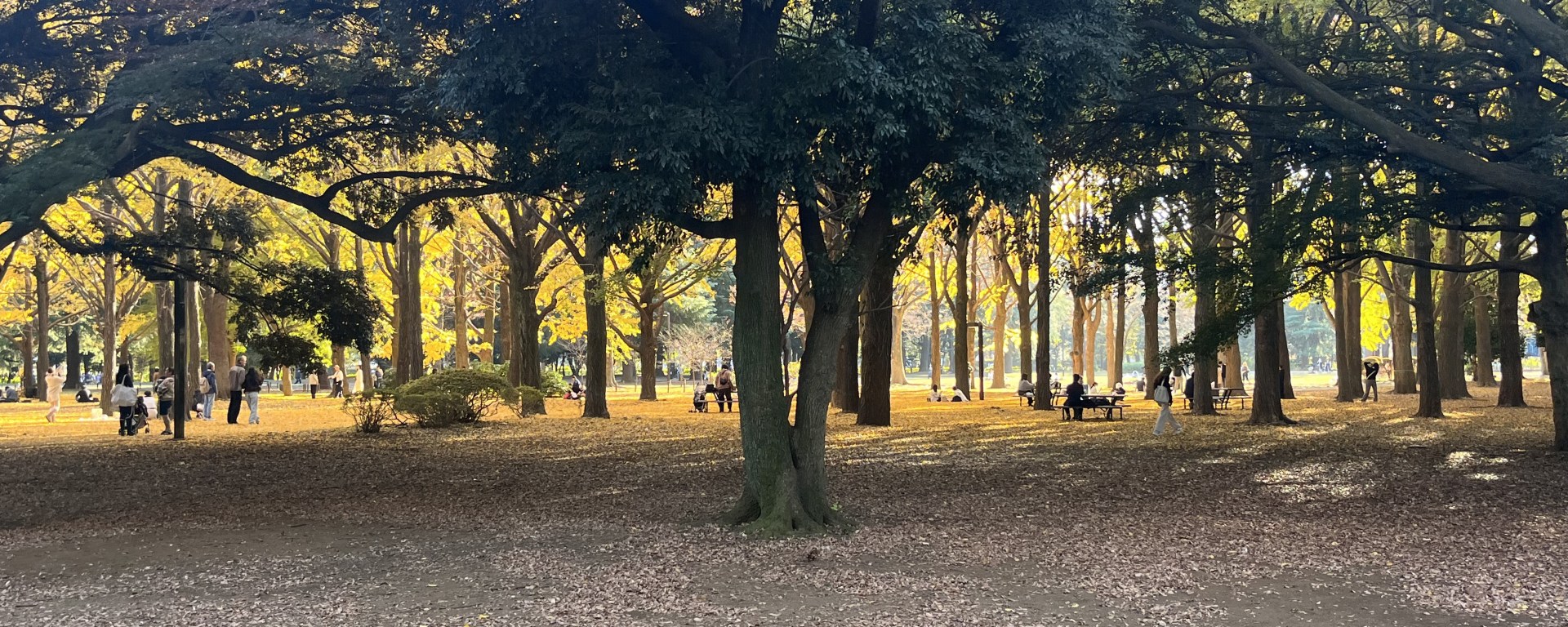
Overstimulated, I decided to retreat to Yoyogi Park, an oasis of calm in the midst of a very busy city. Before it became one of Tokyo’s largest public parks, the site was home to the Athlete’s Village of the 1964 Tokyo Olympics.
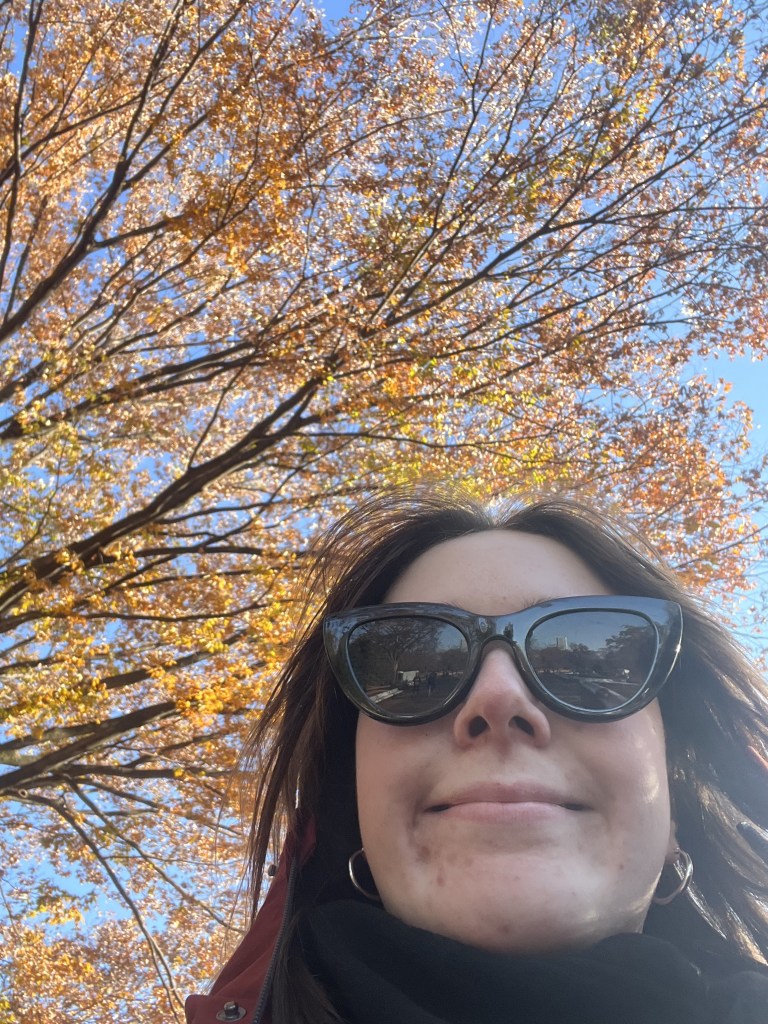
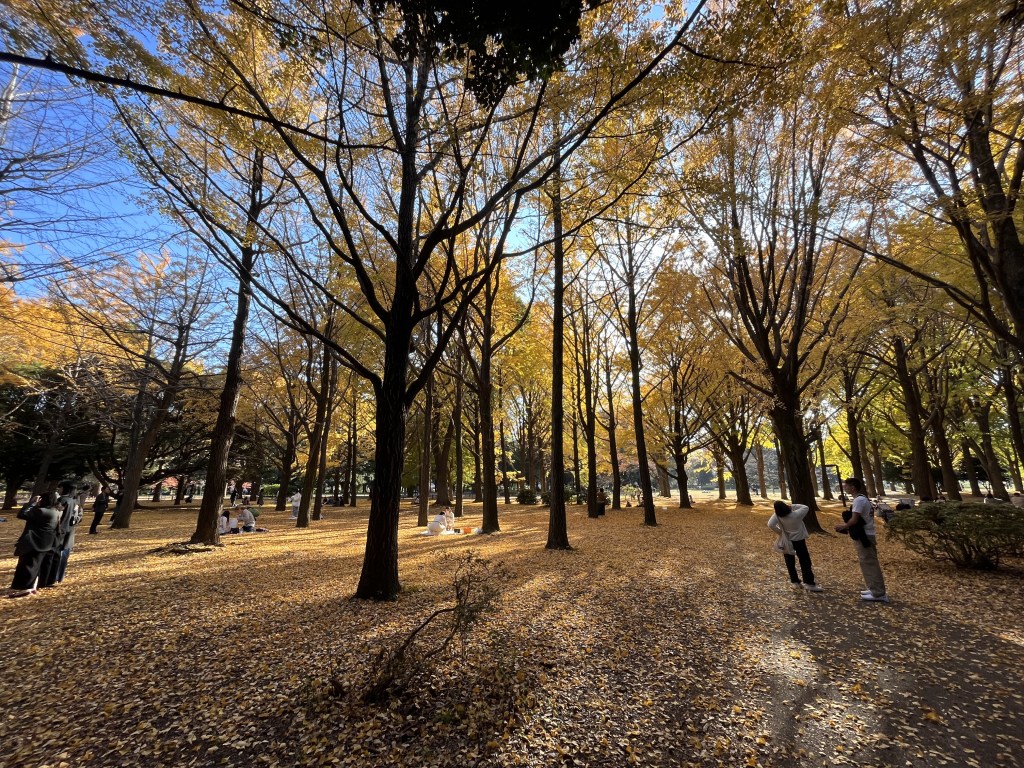
It was lovely to stroll among the trees and flower beds. Musicians played guitars and sang on the lawns and photographers seemed to be making the most of the autumn leaves. A loud speaker kept visitors informed of the park rules. Skateboarders and cyclists were instructed to travel in set directions and dog walkers were told to refrain from releasing their pets outside of designated areas. Tokyo doesn’t have an official motto, but if it did, I think it would be Monica Geller’s maxim: ‘Rules Help Control The Fun’.
My brief experience of Tokyo was a city manicured to perfection, a city of perfect hair and tidy train stations, where everyone has a nice clean jet-washed bum. Mooching around a large public space like Yoyogi Park, it was clear that a combination of explicit and unspoken rules help make public spaces tidy and safe for everyone. Whether it’s cycling or walking a dog, even the process of relaxing in Tokyo has been designed to be efficient and considerate of others.
And yet, zipping around on the subway at 4pm surrounded by well-presented business people and school pupils nodding off to sleep, I couldn’t shake the feeling that behind the polish sat something a little darker.
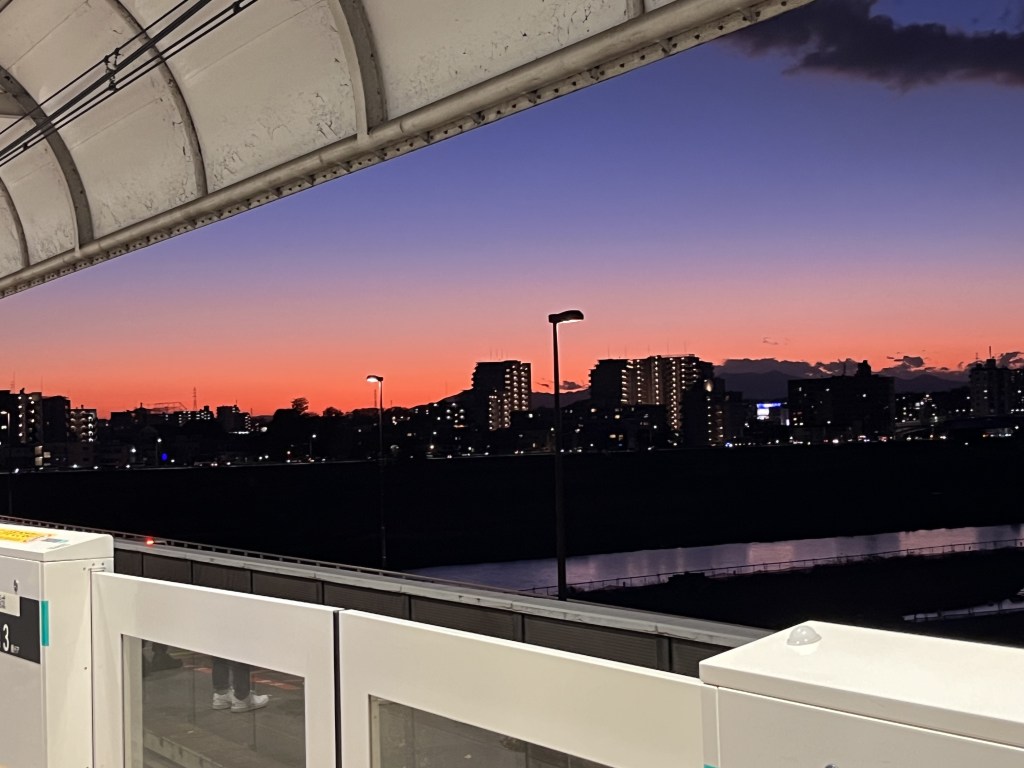
A 2020 BBC report found that Japan is ‘facing something of an epidemic in unused annual holiday leave among its famously conscientious workforce’. In 2018, workers took 52.4% of the paid leave to which they were entitled. The cause? Pressurised work environments and the fear of being perceived as a slacker. As Danielle Demetriou notes in her article, Japan is the birthplace of ‘karoshi’– deaths caused by work-related stress.
I’m no psychologist, but just from observations, public perception seemed to be a huge motivating factor in for people’s behaviour in Japan. It seemed to me that people were less motivated by a desire to have perfectly styled hair and a tidy park, than the shame they would be made to feel for messy hair or littering. Strangers who accidentally bumped into me on the subway or shopping centres apologised profusely as if expecting me to fly into a rage. While I’m not a fan of the remorseless shoving you can experience on a crowded London Tube platform, I’m not sure I liked this frightened deference any better…
Join me next time as I head off to the chilly (possbly jet-washed) bottom of Mount Fuji!
 lucieintheskywith.com